Flexographic printers have been the traditional choice for commercial printers, but with new technology becoming more readily available within the label printing industry, is a flexo printing machine the best option for your operations?
Before making a long-term investment, it's important to understand the true capabilities and costs associated with a flexo printing machine.
Let’s dive in.
Table of Contents
- Understanding Flexo Printing Machines
- The True Cost of Flexo Printing
- Flexo vs. Digital: Choosing the Right Fit
- Personalized Packaging Experiences With the LP-1
Understanding Flexo Printing Machines
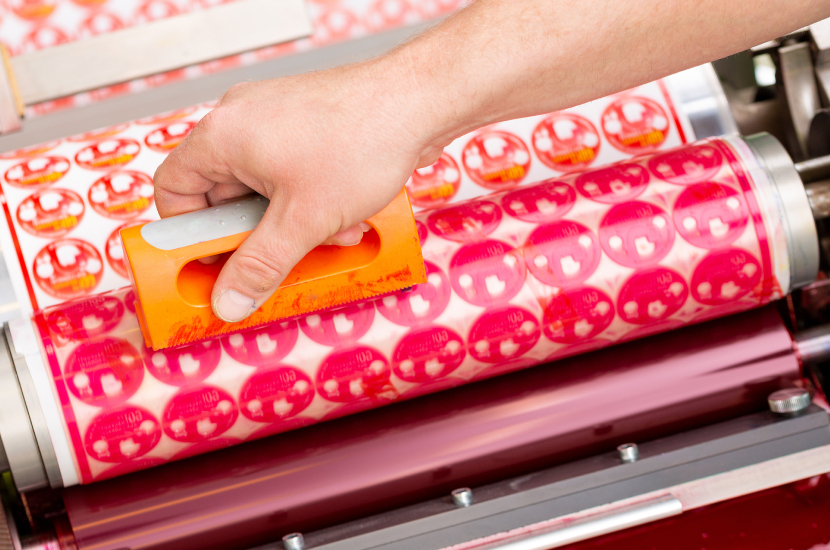
Flexo printing is a method that relies on physical printing plates as a part of the design and manufacturing process.
Because new plates need to be created for each design, flexo printing is better suited for high-volume print runs where set-up costs can be spread across higher output quantities.
However, this plate-based process introduces limitations, including a minimum run requirement, material waste, sustainability challenges, and higher costs for short-run printing jobs.

The True Cost of Flexo Printing
The average mid-range flexo printing machine ranges from $80,000 to $500,000, with high-end systems being priced in the millions.
While the initial equipment investment is an important factor in any purchasing decision, it's equally important to understand the hidden costs associated with flexo printing machines when evaluating long-term value.
Hidden costs that can add up over time include:
Plates and Materials
Flexo printing relies on numerous plates to create a final product, with each color having its own dedicated plate within the production process.
Small design changes or production errors result in a new set of plates to be created, creating additional waste and unplanned expenses.
Excess Label Production and Waste
Flexo presses are designed for high-volume output, making them inefficient for short-run jobs. For commercial printers offering limited-edition packaging or short-run quantities, flexo printing often results in overproduction.
Having a collection of unused labels collecting dust within your storage closet is like throwing money into the garbage.
Technical Expertise and Labor Costs
Operating a flexo press requires a trained and experienced press operator with specialized technical knowledge.
According to ZipRecruiter, the average annual salary for a printing press operator is $44,992, and many operations require multiple operators to support production schedules.
Flexo vs. Digital: Choosing the Right Fit
In contrast to flexo printing, digital label presses are designed for short-run, on-demand production, allowing printers to print what they need, when they need it.
Without plates or lengthy setup requirements, digital presses reduce waste, speed up turnaround times, and support frequent design changes, all without the need for a printing press operator.
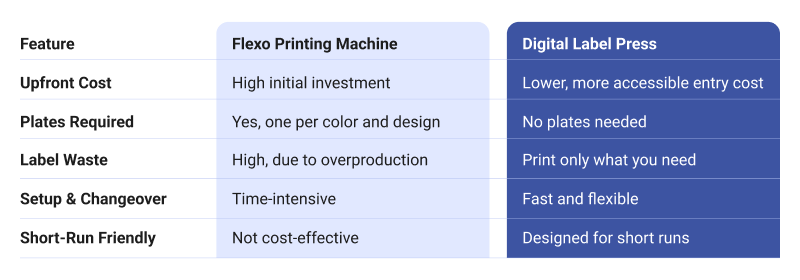
To better understand the differences, see the comparison below:
Personalized Packaging Experiences With the LP-1
Short-run digital label printing is rapidly becoming the preferred way commercial printers are producing labels and packaging materials.
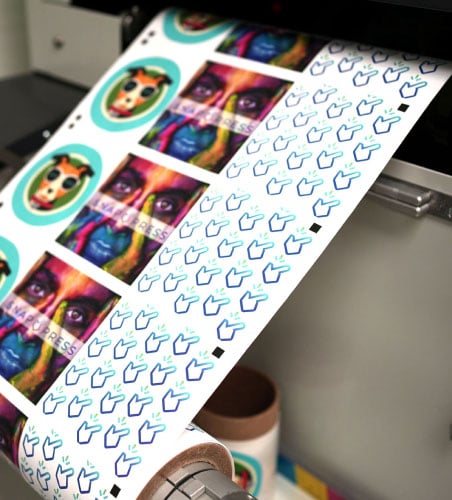
The SnapPress LP-1 digital label press enables commercial printers to deliver high-quality short-run labels without the limitations that come with traditional flexo printing machines.
Having this flexibility in place empowers teams to respond faster to different labeling trends, test new concepts, and create more personalized packaging experiences without compromising on quality and costs.


It's a SNAP! to Get Started
Get an exclusive look at the SnapPress LP-1 and schedule your personalized demo today