
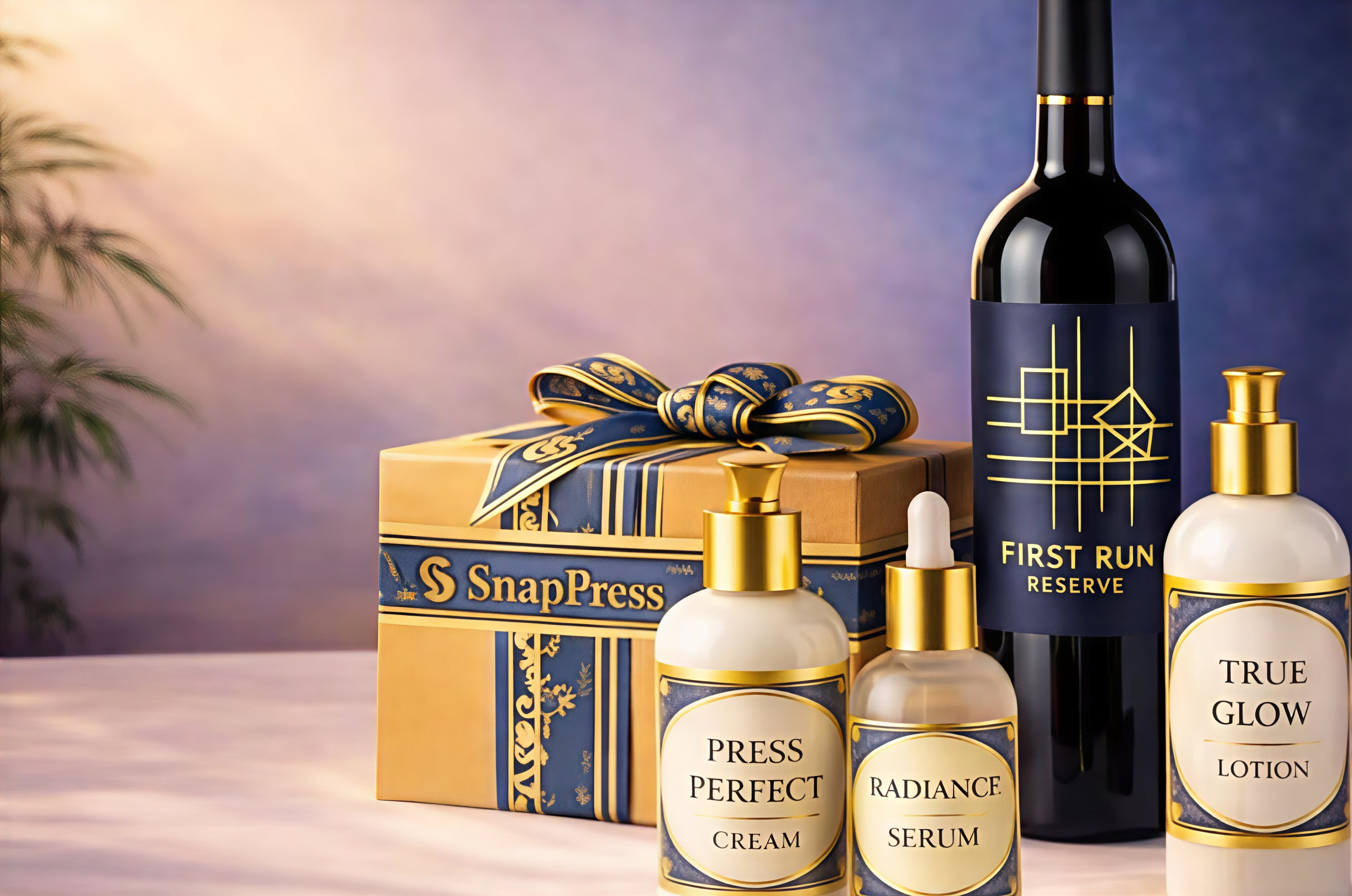
Many commercial printing businesses operate within a framework that only produces project work, but what if there were another opportunity?
Brochures, catalogs, and marketing materials can generate strong revenue, but these assets are often tied to campaigns. Once the campaign ends, so does the order.
Labels follow a different pattern.
They are not tied to a marketing calendar; they are tied to products that are constantly being re-ordered, therefore bringing more business to your print shop.
Table of Contents
Brochure Revenue vs. Label Revenue
The biggest difference between printing traditional marketing assets and printing labels is their revenue models. Brochures and marketing materials are typically tied to campaigns, while labels are tied directly to the ongoing production of products.
This creates two very different patterns of demand for a commercial printing business:
| Brochure Model | Label Model | |
| Order Frequency | Occasional campaigns | Recurring operational need |
| Revenue Pattern | Peaks and gaps | Consistent reorder cycles |
| Sales Effort | Requires constant prospecting | Built on existing client relationships |
| Customer Dependence | Marketing budgets | Product production |
| Job Lifecycle | One-time project | Ongoing replenishment |
| Business Predictability | Variable | More predictable |
The Label Model: Operational, Recurring Print
When a company manufactures, packages, and ships its goods, labels are required at every step.
That demand connects labels to several ongoing business needs, including:
- Products moving through production
- Inventory replenishment
- Packaging and product identification
- Regulatory and compliance labeling
- Promotional or seasonal packaging updates
- SKU expansion as product lines grow
Because of this model, labels rarely represent a one-time order; they are a part of a continuous operational cycle, allowing your commercial printing business to have multiple steady revenue streams.

Why the Right Label System Matters
Traditionally, entering the label market has required adding headcount with specialized expertise and adapting to new complex workflows, but now entering the label market has never been easier.
When taking the next step and looking into purchasing a digital label printer, it's important to ask questions to ensure the machine will work with your current workflows and processes, not against them.
Because a complete labeling system should be a growth engine for your business, not just a piece of hardware.
That system should provide guided production workflows that help teams run jobs confidently, profit clarity so quotes can be created quickly and accurately, reliable uptime and support to keep production moving, and tools that make it easier to introduce label services to existing clients.
This is the difference between simply owning equipment and running a label business.
A Smarter Way to Expand Your Commercial Printing Business
Expanding into labels becomes more practical when the technology supporting it is designed for how modern print shops actually operate. Instead of onboarding a team of specialists and managing complex set-up processes, the right system should make it simple to move from an opportunity to production
This is the approach behind the SnapPress LP-1.
Rather than just being a “printer-in-a-box”, the LP-1 was designed as a complete labeling system that helps commercial printing businesses confidently add label production to their existing services.
Built-in tools like Print Valet guide operators through each job step by step, helping teams run labels even without prior label expertise. Label Studio™ simplifies label creation and file preparation, allowing concepts to move quickly from idea to print-ready output. Real-time profit clarity helps shops quote jobs with confidence, while the LP-1’s engineered uptime and support keep production running when deadlines matter.
Together, these capabilities provide more than equipment. They provide the foundation for a scalable label operation that fits naturally within a commercial printing business.


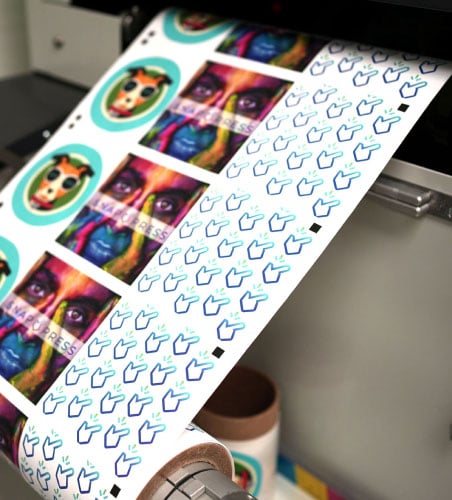
It's a SNAP! to Get Started
Get an exclusive look at the SnapPress LP-1 and schedule your personalized demo today


.jpg?width=352&name=sp-blog-featured-image-how-to-design-a-label%20(1).jpg)